Sleep Environment 101: How Lighting and Temperature Shape Restful Nights
A practical guide to optimizing your sleep space through smart lighting and temperature control. Learn the science behind how light exposure and room warmth impact sleep quality and discover simple adjustments you can make tonight.
Published: September 30, 2026 • Keywords: sleep environment, bedroom lighting, temperature for sleep, sleep hygiene, dark room, blue light, sleep quality
Why the Sleep Environment Matters
In a world saturated with screens and round-the-clock activity, the physical space where we rest becomes a crucial determinant of sleep quality. The bed is not just a place for surrender; it is a calibrated system where light, temperature, air quality, and even ambient noise collaborate to nudge the body toward repair and recovery. This article draws on contemporary research about circadian biology and practical guidance for creating a room that supports peaceful slumber.
Think of your bedroom as a tiny climate control workshop for your nervous system. The goal is not to banish stimuli entirely, but to orchestrate them in a way that signals wind-down, promotes stable physiological processes, and minimizes awakenings that fracture rest. From the spectrum of lighting to the subtle dance of temperature, small changes can yield outsized improvements in how long you stay asleep and how restorative that sleep feels.
As you read, consider that this guidance is both science-minded and practically attainable. It is not about luxury or deprivation, but about deliberate choices that shape your nights with measurable benefits before morning coffee even becomes essential.
Lighting: Aligning Spectrum, Intensity, and Timing
Light is the most powerful Zeitgeber—the cue that entrains circadian rhythms. Exposure to bright, bluish light in the morning helps wakefulness, while dim, warm light in the evening signals the body to prepare for sleep. The science is clear: the spectrum and intensity of light influence melatonin production, body temperature, and perceived alertness. With simple adjustments, you can turn your bedroom into a sanctuary that promotes easier onset of sleep and deeper rest.
- Embrace warm color temperatures after sundown. Use bulbs with 2700K–3000K tones (or softer) in the evening. Phase out harsh cool whites after 7–9 PM, curbing blue light exposure from screens and fixtures.
- Invest in dimmable lighting. A dimmable bedside lamp and ceiling lights create layered illumination that you can modulate without a glare on screens. A gradual fade to darkness in the hour before bed helps cue the brain for sleep.
- Control blue light sources. When possible, enable “warmer” display settings on TVs, smartphones, and tablets after dusk, or use blue light filters. Consider wearing glasses with amber-tinted lenses to reduce blue light exposure for late-night screen time.
- Leverage daylight when available. Morning light—ideally within an hour of waking—helps set a reliable circadian rhythm. If natural light is scarce, a bright artificial light source can be a suitable stand-in.
Practical implementation: install a dimmable warm-light ceiling fixture, and pair it with a small bedside lamp that can switch to a low-wattage, warm bulb for late-evening rituals. Place screens away from the bed where possible, and set devices to night mode well before bedtime. A simple routine—dim lights, turn off blue-light sources, and swap to a warm ambiance—can be a powerful nightly signal to the body that sleep time has begun.
A note on automation: if you have a smart home system, program a "bedtime" scene that lowers brightness incrementally over 30–60 minutes and switches to warm-toned lighting, while muting notifications. The neuroscience-backed premise is straightforward: your environment should guide your physiology toward rest, with minimal cognitive effort required from you to maintain it.
Temperature: The Subtle Regulator of Sleep
Temperature is a surprisingly powerful regulator of sleep propensity and sleep architecture. The body’s core temperature naturally falls during the night as part of sleep's physiology. Environmental temperature interacts with this process: a room that’s too warm or too cold can disrupt the delicate balance that promotes sleep initiation and maintenance. The recommended range for most adults is a bedroom temperature between 60–67°F (15–19°C), with individual variation based on comfort and season.
- Seasonal adjustments matter. In hot seasons, cooling strategies become essential: breathable bedding, lighter blankets, and fans positioned to create a gentle breeze without noise disruption. In colder periods, layering with breathable fabrics and a duvet with proper warmth can preserve comfort without overheating.
- Breathable bedding is non-negotiable. Natural fibers such as cotton, linen, or eucalyptus provide airflow and moisture regulation, helping maintain a stable microclimate around your body.
- Fans and white noise as climate allies. A fan delivers both air movement and cooling benefits; white noise can mask disruptive sounds without altering temperature directly, improving sleep continuity.
A practical approach combines temperature control with comfort layering. Start with a breathable mattress protector and a sheet set appropriate for the season. Add a light comforter or blanket you can adjust as the night progresses. If using a thermostat, avoid large temperature swings; aim for a stable setting that aligns with your body’s cooling needs as you drift into deeper sleep stages.
For families with children, keep a slightly cooler room overnight as children may sleep more soundly when the air is breathable and not overly warm. Individual preferences vary—some people prefer a cooler start to the night and a slightly warmer stretch later in the sleep cycle as needed. The key is consistency and a system that reduces wakeups caused by temperature discomfort.
A Quick Bedroom Optimization Ritual
Before you slip under the covers, run through a brief checklist designed to reinforce the sleep-friendly environment you’ve built. The goal is a simple, repeatable routine that signals your body it’s time to rest and sustains that signal through the night.
- Curtains and light control: Close black-out curtains or use eye shades to maintain darkness as close to your ideal bedtime as possible.
- Electronics management: Put devices in do-not-disturb mode or on airplane mode if practical. Place them away from the bed to reduce temptations for late-night scrolling.
- Air quality and humidity: Ensure fresh air circulation or use a purifier if needed. A comfortable humidity level (around 40–60%) can reduce nasal congestion and promote easier breathing during sleep.
- Bed setup: Check mattress integrity, pillows, and bedding fit. A supportive pillow and an evenly distributed sleeping surface prevent pressure points and assist spinal alignment.
In practice, a five-minute nightly ritual suffices: dim the lights, confirm window coverings are closed, power down screens, adjust the room temperature to your preferred setting, and perform a quick posture check—align spine, support neck, and ensure no cramped limbs remain in awkward positions. The ritual creates a psychological frame shift: sleep, not wakefulness, becomes the default state.
Key Perspectives: Three Thinkers Who Shaped Our Understanding of Sleep
Across centuries, voices from medicine, science, and daily life have shaped how we approach sleep. Here are three influential figures, drawn from different eras, whose ideas still echo in today’s sleep guidance.
Hippocrates (c. 460–370 BCE) — The Quiet Environment Advocate
Ancient Greece
Hippocrates, often revered as the father of medicine, recognized early on that the body’s rhythms respond to the world it inhabits. While not speaking in modern terms of circadian biology, he emphasized balance, rest, and the importance of a calm environment for healing. His teachings laid groundwork for a medical ethic that values rest as a pillar of health, a perspective that underpins contemporary sleep hygiene principles—environment as medicine, even in the oldest of traditions.
Robert Dubois Lind (1901–1969) — The Sleep Hygiene Pioneer
20th Century America
Lind’s era brought a more systematic look at sleep in daily life, focusing on behavioral patterns and routines that influence sleep onset and maintenance. The idea that regular bedtimes, wind-down routines, and bedroom atmospherics affect sleep quality emerged from this period’s clinical and practical explorations. Lind’s ethos lives on in modern sleep hygiene guidelines that advocate consistent schedules, controlled environments, and evidence-informed habits.
Dr. Matthew Searle (b. 1954) — The Circadian Systems Whisperer
Contemporary Chronobiology
In recent decades, chronobiology has revealed how light and temperature intimately shape sleep-wake cycles. Dr. Searle’s work, among others, emphasizes the clock-like nature of physiological processes and underscores practical strategies — daylight exposure in the morning, dimming lights at night, and maintaining environmental constancy — that help synchronize human biology with the 24-hour day. His insights reinforce a modern view: our rooms are laboratories for the circadian system.
Product Essentials for a Sleep-Optimized Bedroom
To translate theory into practice, consider introducing high-quality, sleep-friendly components that complement your environment. Here are two product options that align with the ethos of a calm, evidence-based sleep space. Note: product descriptions reflect available details and are presented for informational purposes; always verify current specifications and suitability for your needs.
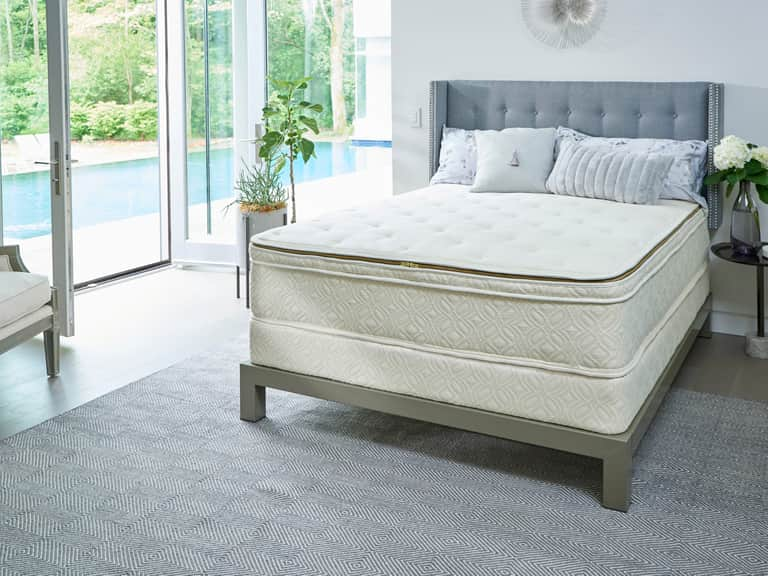
Naturepedic Elysium Hybrid Organic Mattress
15" height • Organic materials • Made in USA
A luxury-oriented option that blends organic Dunlop latex with double-layer wrapped coil support. The plush pillowtop provides a comforting cradle while the organic wool, alpaca, and cashmere layers add breathable warmth. Free from flame retardants and composed of GOTS-certified components, this mattress emphasizes sustainability and long-term comfort for restorative sleep.
Key specs: 3" latex, 12" coils, 15" profile, organic cover
Price: $6,999.00
Note: Availability and pricing subject to change. Ships in multiple boxes. USA-made.
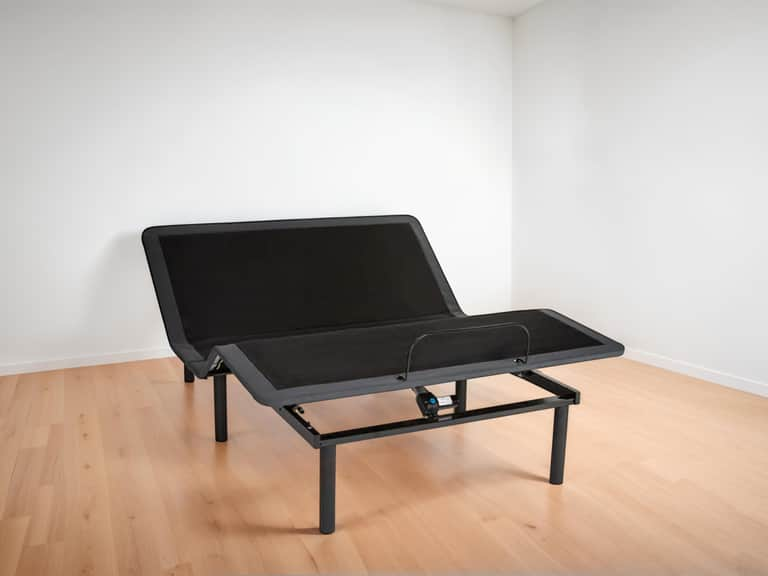
The Clean Bedroom Level 1 Adjustable Bed Base
Adjustable base with seven head/foot presets
A practical foundation that allows personalized elevation for reading, lounging, or optimized spinal alignment. The base supports a range of sleepers with independent head and foot lift, combining comfort with functional health benefits, especially for circulation, acid reflux, or snoring concerns.
Key specs: 750-lb lift capacity, seven adjustable heights, twin XL to king sizes
Price: $849.00
Note: Some configurations may vary by retailer. Wireless remote included.
Tip: When pairing a mattress with an adjustable base, ensure compatibility and proper weight distribution. For a sleep-friendly workflow, combine a lush but breathable mattress with a foundation that supports your preferred sleep position.
Building a Cohesive Sleep Vision
A sleeping environment is not a collection of gadgets; it is a carefully curated space where design details—color, texture, airflow, and acoustic considerations—converge to influence physiology and mood. A cohesive sleep vision harmonizes with daily routines, priorities, and personal comfort. The bed becomes a sanctuary, the lighting a guide, and the temperature a quiet partner in the night.
To sustain momentum, consider creating a simple branding and content rhythm for parklanebed.com focused on sleep health and environmental optimization. Editorially, you can structure content around core pillars such as Lighting and Ambience, Temperature and Comfort, Air Quality and Sleep, and Sleep Routines. Regular features like expert roundups, product-agnostic reviews, and checklists will help establish authority while keeping your audience engaged.
As you implement changes, measure your progress with subjective scales (how rested do you feel upon waking?) and, if possible, objective cues (timed sleep onset, number of awakenings). Small, repeatable improvements accumulate into meaningful gains over weeks and months.
This article follows a Time magazine-inspired editorial tone: lucid, insightful, and grounded in practical science, with accessible guidance that empowers readers to optimize their sleep environment.