Bedroom Furniture
A Closer Look at Casper’s Repose and Haven Frame Designs
A bed frame does more than hold a mattress. It sets the visual tone of a room, shapes how the bed is used day to day, and determines what kind of support the mattress receives. Casper’s Repose and Haven frames take distinct approaches: one emphasizes solid construction and sustainably sourced wood; the other brings together a hardwood frame, felted wool upholstery, and a cushioned headboard.
Published November 5, 2026
At first glance, choosing between two bed frames can seem like a matter of taste. One may look quieter and more minimal; another may feel more inviting, with upholstery and a padded place to lean. But a frame is also a piece of functional furniture. It has to suit the room, work with the mattress, and fit the way its owners actually use the bed—whether that means sleeping and little else or reading, watching a program, or opening a laptop against the headboard.
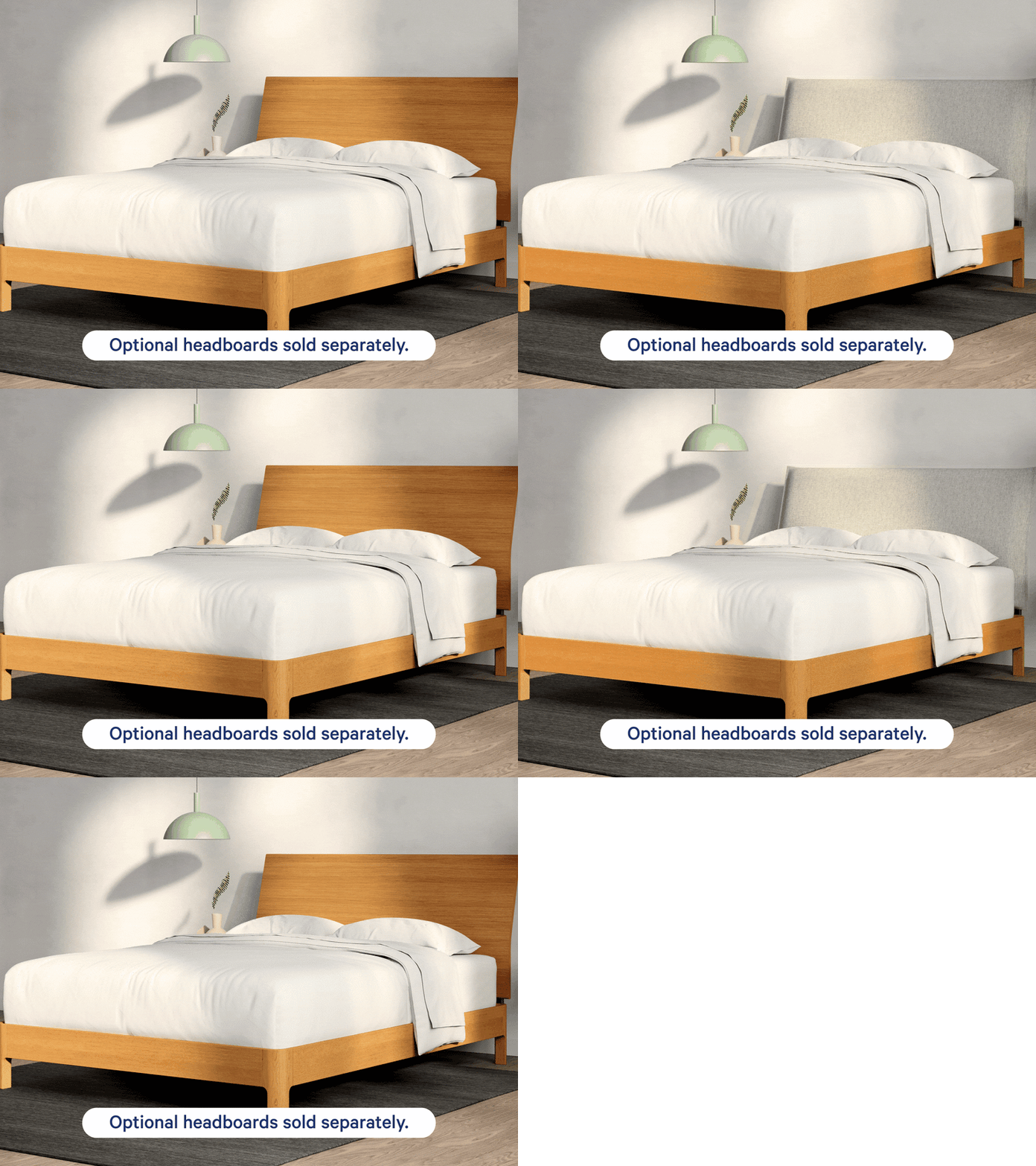
The Casper Repose and Haven frame designs illustrate that balance. The Repose is described as a solidly constructed frame made with premium materials, including sustainably sourced wood, and designed to support a Casper mattress. The Haven combines a durable hardwood frame with felted wool upholstery and a cushioned headboard. It does not require a separate foundation or box spring, according to its product details.
Those descriptions point to different priorities, not a universal winner. The useful question is not which frame is better in the abstract, but which design makes sense for a particular mattress, room, and routine. A careful comparison starts with fit and support, then turns to materials, headboard use, upkeep, and the practical details that are easy to overlook until delivery day.
The frame is part of the sleep setup
A bed frame supports the mattress and raises it from the floor, but its role does not end there. The frame influences the bed’s overall height, the amount of visible structure around the mattress, and the way the sleeping area relates to other furniture. A substantial upholstered profile can give a bedroom a softer, more anchored appearance. A less visually prominent frame may leave more attention for the bedding, wall color, or surrounding furnishings.
Support deserves equal attention. A mattress needs a foundation that is compatible with its design and that meets the maker’s requirements. A frame’s description, visual appearance, or price alone cannot establish compatibility for every mattress. Before buying, check the mattress manufacturer’s current guidance and the frame’s specifications. Confirm whether a foundation is needed, what kind of support surface is used, and whether any weight or sizing limits apply.
The available description identifies the Repose as built to support a Casper mattress. That is a meaningful starting point for someone assembling a Casper sleep setup, but it is not a substitute for checking the specific mattress and frame dimensions. The Haven, by comparison, is described as requiring no foundation or box spring. That may simplify the setup, but buyers should still verify that the frame’s support arrangement is appropriate for their mattress model.
In either case, mattress support and mattress comfort are separate considerations. A frame does not determine a mattress’s firmness, and a headboard does not replace a sleeping pillow. The frame provides the base and structure; the mattress and bedding have their own roles in comfort and alignment.
Repose: a wood-led, straightforward foundation
The Casper Repose Bed Frame is characterized by solid construction, a soft design, and the use of premium materials that include sustainably sourced wood. Its stated purpose is direct: to support a Casper mattress. This gives the Repose a practical identity, one organized around the bed’s underlying structure rather than a prominently described upholstered backrest.
That distinction can matter in a room where the frame should provide a composed foundation without becoming the main event. The Repose may suit people who want the bed to feel visually integrated with the room rather than heavily upholstered or especially decorative. “Soft design” suggests an intended visual sensibility, but it should not be read as a promise about fabric, cushioning, or touch unless the detailed specifications say so. A buyer should review the current product information for dimensions, finish, assembly, and any included components.
The use of sustainably sourced wood is another stated material detail. It can be relevant to shoppers who pay attention to sourcing, but the phrase on its own does not explain the full supply chain, certification, or environmental impact of the finished frame. Anyone seeking a particular standard should look for specific, current documentation rather than infer more than the product description confirms.
For the Repose, the key decision is whether its structure and appearance meet the room’s requirements. Measure the mattress, note the available floor area, and consider how much visual weight the bed should carry. A frame can look modest in a product description yet occupy a meaningful part of a compact room. Checking the complete footprint—not just the mattress size—helps avoid a layout that feels crowded or blocks access to bedside furniture.
Haven: upholstery with a built-in backrest
The Haven takes a more explicitly upholstered approach. Its described construction pairs a durable hardwood frame with 70% felted wool upholstery. A cushioned headboard provides a place to lean while reading, watching TV, or working on a laptop. The result is a bed frame whose upper portion has a clear everyday function as well as a design role.
That backrest may be useful for people who spend time sitting up in bed. A padded surface can make the transition from sleeping space to casual seating more comfortable than leaning against a bare wall, though comfort will remain personal and depends on posture, height, and how long someone sits there. It is not a substitute for a desk chair or purpose-built seating, but it can make occasional reading or relaxation more inviting.
The felted wool covering also changes how the frame reads in a bedroom. Upholstery tends to introduce texture and softness, while the hardwood structure supplies the underlying support. This pairing can work well in a room where a bed should feel like a substantial, finished furnishing. It may also suit a layout in which the headboard is visible and contributes to the room’s overall composition.
Textile upholstery brings care questions that a bare frame may not raise in the same way. Before purchase, check the maker’s cleaning and maintenance directions for the exact material. Avoid assuming that a fabric can be spot-cleaned with any household product or that a particular treatment is safe. Everyday habits—keeping food and drinks away from the headboard, for example—can help reduce avoidable marks, but manufacturer guidance should determine how to address a spill.
The stated lack of need for a foundation or box spring is a practical distinction. Fewer separate components can make planning simpler, but it is still important to confirm what is included, how the mattress sits on the frame, and whether the arrangement meets the mattress maker’s requirements. “No foundation required” should clarify the intended setup, not encourage guesswork about compatibility.
What to compare before choosing
1. Mattress compatibility
Start with the mattress, not the finish. Confirm the correct size and review both manufacturers’ guidance on support, foundations, and allowable configurations. This is particularly important if the mattress is not a Casper model or if it has specific support requirements.
2. Room dimensions
Measure the room and the bed’s full footprint, including any headboard or frame extensions. Leave practical clearance for walking, opening drawers, and making the bed. In smaller rooms, even a modest difference in frame profile can affect how easy the space is to use.
3. Headboard habits
Consider how often the bed is used for sitting up. If reading or screen time in bed is routine, Haven’s cushioned headboard is a feature worth weighing. If the bed is mainly for sleep, a built-in backrest may be less important than the frame’s fit, support, and appearance.
4. Materials and maintenance
Compare the materials that are actually specified: the Repose’s premium materials and sustainably sourced wood, and Haven’s hardwood frame with felted wool upholstery. Review care instructions and warranties before treating a general material description as a complete guide to durability.
A comparison without the showroom shorthand
Shopping descriptions often compress a complicated decision into a handful of appealing words. “Solid,” “soft,” “durable,” and “modern” can help establish a general impression, but they do not answer every practical question. A more useful comparison separates verified features from personal interpretation.
- Construction: Repose is described as having solid construction and sustainably sourced wood. Haven is described as having a durable hardwood frame.
- Upholstery: Haven is upholstered in 70% felted wool. The available Repose details do not specify a comparable textile covering.
- Headboard: Haven includes a cushioned headboard intended to serve as a backrest. The available Repose description does not establish the same feature.
- Foundation: Haven is stated to need no foundation or box spring. Repose is described as supporting a Casper mattress; confirm its full setup requirements for the specific mattress.
- Use case: Haven places more emphasis on sitting comfort and upholstered design. Repose is presented as a mattress-supporting frame with a wood-led construction.
This distinction keeps the choice grounded. It avoids assuming that one frame is stronger, more comfortable, or longer-lasting simply because its description uses a particular adjective. Those judgments require evidence such as detailed specifications, warranty terms, testing, and firsthand evaluation—information that should be checked rather than invented.
How each frame may shape the room
A bed often occupies the largest uninterrupted area in a bedroom. Its frame therefore has an outsized influence on the room’s mood. Haven’s felted wool and cushioned headboard may introduce tactile softness and make the bed appear more like a complete furnishing. That can be a benefit in a spare room where the bed needs to establish a focal point, or in a bedroom where the headboard is visible from the doorway.
The Repose may be easier to place in a scheme that favors a quieter foundation. A frame with a simpler visual profile can leave room for patterned bedding, a distinctive rug, or art above the bed. But aesthetic flexibility depends on the actual finish and proportions, so reviewing current product details—and, where possible, seeing the materials in person—can help clarify the impression.
Think about the other textiles in the room, too. Sheets, duvet covers, pillows, and throws can shift the balance of color and texture. With an upholstered headboard, bedding does not need to do all the work of softening the bed. With a less explicitly upholstered design, layered textiles can provide that warmth. The aim is not to match every surface, but to create a room in which the frame, mattress, and bedding feel intentional together.
Furniture placement is equally practical. A wide headboard can affect how close the bed sits to a wall or window, while a frame’s outer dimensions may alter the space available for nightstands. Check clearances around outlets, doors, closet access, and walking paths. These details may sound mundane, but they determine whether a new bed works smoothly after the novelty of delivery has passed.
Delivery, assembly, and the details that prevent surprises
Before ordering either frame, review the current listing for assembly instructions, delivery arrangements, return terms, warranty coverage, and what parts are included. Product pages can change, and a general description does not necessarily provide every operational detail. Confirm whether assembly requires more than one person, whether the frame can fit through stairwells and doorways, and whether old furniture removal is available if needed.
Measure the route from the entrance to the bedroom—not only the room itself. Hallway turns, narrow doors, elevator dimensions, and stair landings can determine whether large components can be brought inside. For a furnished apartment or a home with tight access, this small planning step may be as consequential as the choice of upholstery.
Once assembled, follow the maker’s instructions for placement and use. Keep the frame on a suitable, level surface, and periodically check for any loosened components if the manufacturer recommends it. Do not modify support parts or substitute components without confirming that the change is allowed. A well-matched mattress and frame are a system; improvised alterations can compromise that intended arrangement.
Which design is the more natural fit?
The Repose is the more direct option for shoppers focused on a solidly constructed frame with sustainably sourced wood and a stated role supporting a Casper mattress. It may appeal to those who want a relatively restrained foundation and do not place a high priority on a cushioned sitting surface.
The Haven is the more feature-forward choice for someone who values an upholstered appearance and expects to use the headboard as a backrest. Its hardwood frame, felted wool covering, and stated no-box-spring setup give it a distinct profile. That combination is worth considering if the bed is also a place for reading and quiet downtime, rather than only a platform for sleep.
Neither description establishes that one frame will suit everyone. Room size, mattress specifications, care preferences, and daily habits all matter. Someone who loves the feel of felted wool may still find a particular frame too substantial for a small room. Someone drawn to the Repose’s material description may discover that a padded headboard is more useful than expected. The right answer emerges from matching actual features to actual use.
A final checklist
Before making a decision, use this short checklist to bring the comparison back to practical essentials:
- Verify that the frame size matches the mattress and that the support arrangement is approved for it.
- Measure the full frame footprint, room clearance, and delivery route.
- Decide whether a cushioned headboard would serve a real routine, such as reading or watching TV in bed.
- Compare the specified construction and materials without assuming that broad marketing language proves performance.
- Read current care instructions, assembly details, warranty terms, and return policies.
- Consider how the frame will work with existing nightstands, bedding, and other bedroom furniture.
Casper’s Repose and Haven frames make the choice legible by emphasizing different things. Repose centers on solid construction and a wood-based foundation for a Casper mattress. Haven adds felted wool upholstery and a cushioned headboard designed for sitting support. The distinction is more than a stylistic one, but it is not a contest with a universal result. Measure carefully, check compatibility, and choose the frame whose details fit the way the bedroom is meant to work.